MDR1 in Dogs
Order nowDogs
Up to 75% of some dog breeds have the MDR1 genetic mutation. Herding breeds, long-haired whippets, and silken windhounds have the highest occurrences. It is also found in mixed breeds. Dogs with the mutation may have severe adverse reactions to some common medications.
Learn what medications may be dangerous for your dog with the MDRI genetic mutation.
Dogs with the MDR1 genetic mutation can become very ill or die if given certain medications. WSU is the leader in identifying drugs that may be dangerous for dogs with the MDR1 mutation and can identify alternative medications and doses.
Once WSU has determined your dog’s MDR1 status, board- certified veterinary pharmacologist Dr. Katrina Mealey, who discovered the MDR1 genetic mutation in dogs and cats, can work with you and your veterinarian through MDR1Caddie™ to determine the best course of action should your pet need to be treated with a medication known to cause adverse reactions.
Problem Medications
The list of problem medications for dogs and cats is kept current and includes only drugs that have undergone peer-reviewed publication. Updates to this list occur as new research is published. For the most up-to-date dosing recommendations, including drugs currently under investigation, please submit questions through MDR1Caddie.
| Drug (Active Ingredient) | Brand Name | Recommendation |
|---|---|---|
| Acepromazine | Contact MDR1Caddie™ for dosing recommendations | |
| Afoxolaner | Nexgard | The manufacturer of Nexgard has tested the product for safety in dogs with the MDR1 mutation. No adverse effects were observed. Dogs with the MDR1 mutation are not at increased risk for adverse effects. |
| Apomorphine | Contact MDR1Caddie™ for dosing recommendations | |
| Butorphanol | Torbugesic | Contact MDR1Caddie™ for dosing recommendations |
| Chemotherapy | Contact MDR1Caddie™ for dosing recommendations | |
| Cyclosporine | Atopica | Contact MDR1Caddie™ for dosing recommendations |
| Doxorubicin | See Chemotherapy | |
| Fluralaner | Bravecto | The manufacturer of Bravecto has tested the product for safety in dogs with the MDR1 mutation. No adverse effects were observed. Dogs with the MDR1 mutation are not at increased risk for adverse effects. |
| Grapiprant | Galliprant | Contact MDR1Caddie™ for dosing recommendations |
| ivermectin | Heartgard Plus | The manufacturer of Heartgard has tested the product for safety in dogs with the MDR1 mutation. No adverse effects were observed. The FDA determined Heartgard is safe for dogs with the MDR1 mutation when used at label doses. For other formulations of ivermectin contact MDR1Caddie™ for dosing recommendations. |
| Loperamide | Imodium | At doses used to treat diarrhea, this drug will cause neurological toxicity in dogs with the MDR1 mutation. This drug should be avoided in all dogs with the MDR1 mutation. |
| Milbemycin | Interceptor, Interceptor Plus | The manufacturer of Interceptor has tested the product for safety in dogs with the MDR1 mutation. No adverse effects were observed. The FDA determined Interceptor is safe for dogs with the MDR1 mutation when used at label doses. For other formulations of milbemycin contact MDR1Caddie™ for dosing recommendations. |
| Maropitant | Cerenia | Contact MDR1Caddie™ for dosing recommendations |
| Moxidectin | ProHeart, Simparica Trio, Nexgard Plus, Advantage Multi | The manufacturers of these products have tested the product for safety in dogs with the MDR1 mutation. No adverse effects were observed. The FDA has determined that these products are safe for dogs with the MDR1 mutation when used at label doses. |
| Ondansetron | Contact MDR1Caddie™ for dosing recommendations | |
| Sarolaner | Simparica | The manufacturer of Simparica has tested the product for safety in dogs with the MDR1 mutation. No adverse effects were observed. Dogs with the MDR1 mutation are not at increased risk for adverse effects. |
| Vinblastine | See Chemotherapy | |
| Vincristine | See Chemotherapy | |
| Vinorelbine | See Chemotherapy | |
| Selamectin | Revolution | The manufacturer of Revolution has tested the product for safety in dogs with the MDR1 mutation. No adverse effects were observed. The FDA determined Revolution is safe for dogs with the MDR1 mutation when used at label doses. |
Dog breeds commonly affected by MDR1 mutation
Dogs with a mutation in the MDR1 (multidrug resistance 1) gene may have severe and life-threatening reactions to some common drugs. Research has shown the mutation occurs more frequently in certain breeds.
Approximately three of every four collies in the United States have the mutant MDR1 gene. The frequency is about the same in France and Australia, so it is likely that most collies worldwide have the mutation. The MDR1 mutation has also been found in Shetland sheepdogs (Shelties), Australian shepherds, old English sheepdogs, English shepherds, German shepherds, long-haired whippets, silken windhounds, and a variety of mixed-breed dogs.
The only way to know if an individual dog has the mutant MDR1 gene is to have the dog tested. As more dogs are tested, the list of affected breeds will likely grow as new breeds are identified to have the Mutant MDR1 gene.
Dog Breeds
| Breed | Approximate Frequency |
|
|---|---|---|
 | Australian Shepherd | 50% |
 | Australian Shepherd, Mini | 50% |
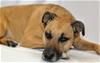 | Black Mouth Cur | Not enough tested to calculate |
 | Border Collie | < 5% |
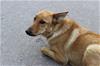 | Carolina | Not enough tested to calculate |
 | Chinook | 25% |
 | Collie | 70% |
 | English Shepherd | 15% |
 | German Shepherd | 10% |
 | Golden Retriever | Unknown |
 | Herding Breed Cross | 10% |
 | Long-haired Whippet | 50% |
 | McNab | 30% |
 | Mixed Breed | 5% |
 | Old English Sheepdog | 5% |
 | Shetland Sheepdog | 15% |
 | Siberian Husky | Unknown |
 | Silken Windhound | 30% |
The MDR1 (multidrug resistance 1) gene mutation is common in collies and other herding breeds, and while it is less likely to occur in a mixed breed, it is still possible, and testing is recommended to determine the risk to your pet.
The mutant gene was found in a Saint Bernard mix that had an adverse drug reaction. The veterinarian noted the dog’s eyes were different colors, like some Australian shepherds.